



Recovery Programs
Beyond Treatment. Toward a Full Life.
Independence is not just about mobility. It is about being able to participate — in family life, in community, in society. For people with limited mobility, achieving this often requires more than a single intervention. It requires a combination of physical therapy, psychological support, social integration, and ongoing care. This is what we call holistic care.
Why Holistic Matters
A person who receives an assistive device but no training in how to use it gains little. A person who receives medication but no accompanying therapy may not reach their potential. Real improvement in quality of life comes from coordinated, comprehensive support — addressing the whole person, not just the diagnosis.
“Real improvement in quality of life comes from coordinated, comprehensive support — addressing the whole person, not just the diagnosis.”
What We Fund
Community-Based Care
Care models that bring support directly to where people live — in their homes and communities.
Psychosocial Support
Mental health and psychological support programs for people living with mobility conditions.
Integrated Rehabilitation
Programs combining therapy, technology, and medical support for comprehensive recovery.
Caregiver Training
Training programs for families and caregivers to better support their loved ones.
Holistic Wellbeing
Projects addressing nutrition, mental health, and social participation alongside physical mobility.
How We Select Projects
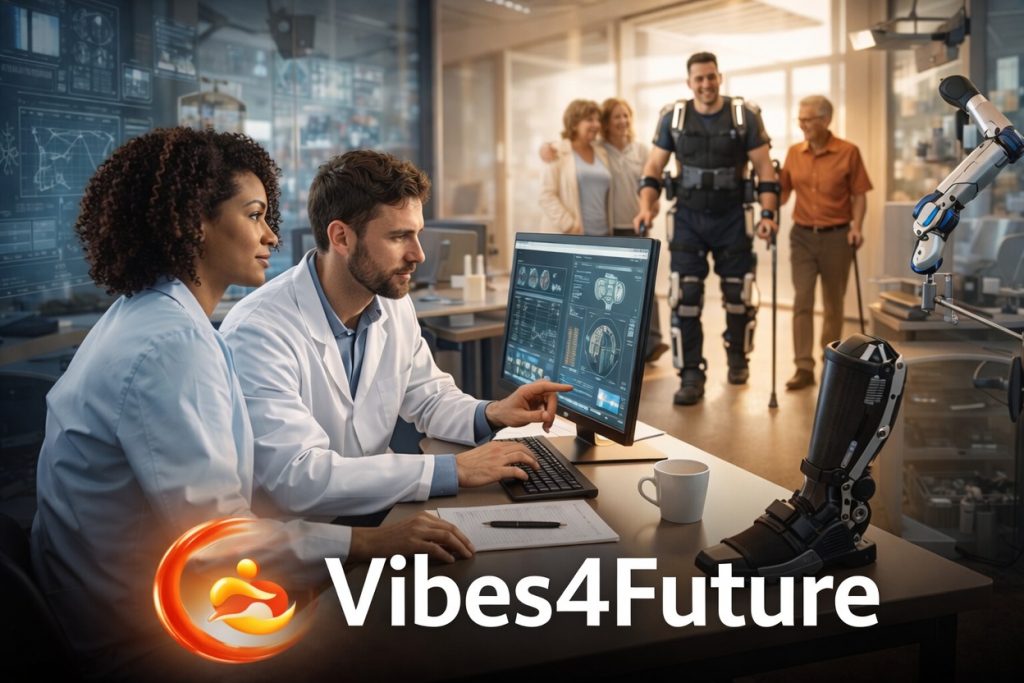
We look for projects that demonstrate genuine coordination across disciplines — where therapy, technology, and human support work together. We ask whether the approach addresses the whole person and whether it creates conditions for lasting improvement rather than temporary relief.
Our Role
Our goal is to support organizations and teams that refuse to treat people as a collection of symptoms. We will fund the connective tissue of care — the programs that bring everything together and ensure that people don’t fall through the gaps. Our first recovery program will be announced on this page.
Recovery Goes Beyond the Clinic
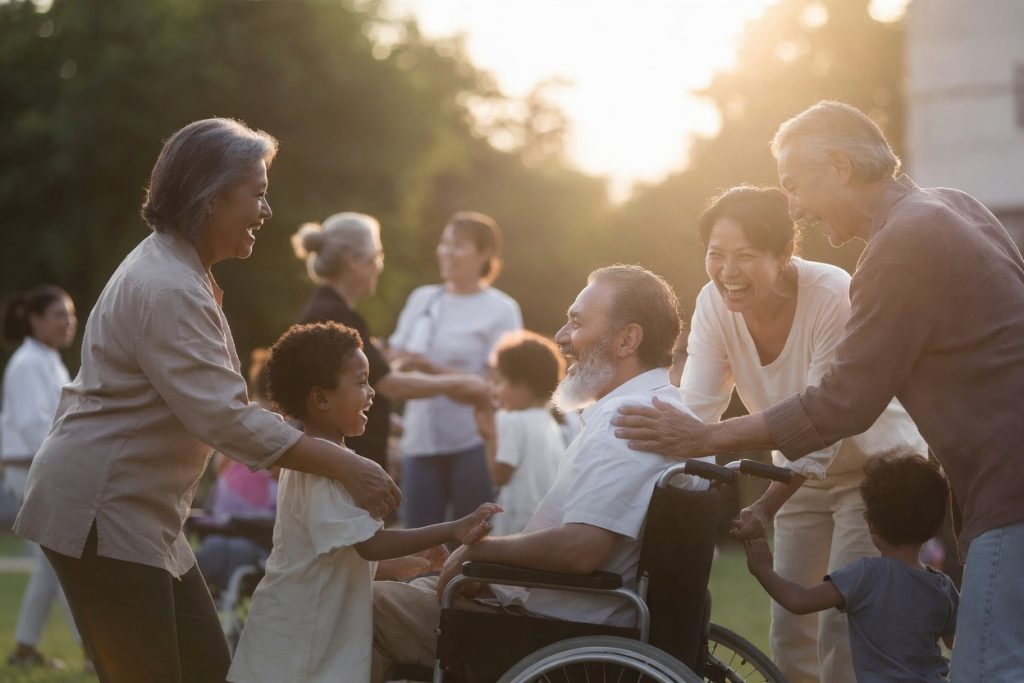
True recovery happens in life — not just in treatment rooms. It happens when a person can laugh with their family again, when they can participate in their community, when they feel seen and supported by the people around them.
This is why we fund programs that extend beyond clinical settings — into homes, communities, and social networks. Because belonging is part of healing.
Support Recovery Programs
Your support helps fund comprehensive recovery programs that address the whole person — not just the diagnosis. Together we create conditions for lasting improvement, dignity, and full participation in life.
